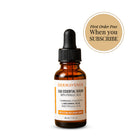
Red light therapy (RLT), typically delivered in the wavelength range of approximately 630–700 nanometers, has gained significant attention in dermatology due to its ability to penetrate the skin and modulate cellular function at a mitochondrial level. The primary mechanism involves the absorption of red and near-infrared light by cytochrome c oxidase within the mitochondrial respiratory chain, leading to enhanced adenosine triphosphate (ATP) production, reduced oxidative stress, and the activation of transcription factors that promote cellular repair and regeneration. Clinically, this translates into a wide range of benefits for common skin concerns. For aging skin, RLT has been shown to stimulate fibroblast activity, increasing the synthesis of collagen types I and III and elastin, thereby improving skin firmness, elasticity, and reducing the appearance of fine lines and wrinkles. In inflammatory conditions such as acne and rosacea, red light exhibits anti-inflammatory effects by decreasing pro-inflammatory cytokines, and promoting tissue healing, which can reduce erythema and lesion count. Additionally, RLT supports improved microcirculation and lymphatic flow, enhancing nutrient delivery and waste removal at the cellular level, contributing to brighter, more even-toned skin. It has also demonstrated efficacy in accelerating wound healing and post-procedural recovery by promoting keratinocyte migration and angiogenesis. Unlike more aggressive treatments, red light therapy is non-invasive, non-thermal, and generally well-tolerated, making it a versatile adjunct in omnilux skin care regimens aimed at improving overall skin health, resilience, and long-term function. If you have ever wondered exactly what to put on face after red light therapy, understanding this cellular process is the first step.
Table of Contents

Optimizing Your Skincare Routine
While the science behind red light therapy is compelling, an equally important consideration is how to optimize your skincare routine around each session. The efficacy of RLT can be significantly influenced by the products applied both before and after treatment, raising a key question: which formulations best support the skin’s heightened state of cellular activity? Selecting the right post red light therapy skin care—those that enhance absorption, support barrier function, and complement the therapy’s regenerative effects—is essential to maximizing results while minimizing potential irritation.
Growth Factors for Cellular Repair
After red light therapy, the skin enters a heightened state of cellular receptivity and repair, making it the ideal time to apply regenerative, hydrating, and barrier-supporting products. DermAvenue carries several standout options that align perfectly with this phase. Growth factor-based treatments like SkinMedica TNS Advanced+ Serum and TNS Recovery Complex are particularly synergistic. Acting as a powerful skin care serum, they support collagen synthesis and cellular signaling, amplifying the fibroblast activation already stimulated by RLT.


Deep Hydration and Barrier Restoration
Similarly, deeply hydrating formulations such as SkinMedica HA5 Hydra Collagen Replenish & Restore Hydrator or Neocutis Bio-Cream Firm help restore moisture balance and reinforce the skin barrier, which is critical after light-based stimulation.


Antioxidant Support and Ingredients to Avoid
For additional antioxidant support, potent formulations like Obagi Professional-C Serum or SkinMedica Vitamin C+E Complex can be introduced. Relying on elite vitamin c skin care products post-treatment (or in alternate routines) helps neutralize free radicals and enhance brightness. However, more aggressive actives, such as retinol (SkinMedica Retinol Complex) or exfoliating acids (AHA/BHA Cleanser), should be used cautiously and typically not immediately after RLT, as the skin may be more sensitive and reactive.